Historical Legal Precedent – Important decision by the Court of Appeal of Turin: the use of force to remove a minor from her home cannot be implemented. This is especially true when a Family Support Project is activated.
A very recent order issued by the Juvenile Division of the Court of Appeal of Turin, published on July, marks noteworthy progress in identifying the principles that guide child protection.
The principles that emerge from the ruling reflect the important statements that the I.N.Pe.F. (National Institute of Family Pedagogy), its President, Vincenza Palmieri, and its legal advisors have been advocating for years.
Firstly, the decision endorses the choice of the girl involved and her parents to seek support from the I.N.Pe.F. and Prof. Palmieri, as part of a family support project based on the criteria and technical-professional tools of the Family Specialists. The project was prepared and agreed upon as an alternative to the one initially proposed by the juvenile court, which included, among other things, placing the girl in a foster home, a solution that the minor had always refused.
Secondly, the Court of Appeal accepted the family’s defense argument that the girl could not be forcibly removed from her parents, as this is, as consistently held by the Supreme Court, an extreme and strictly temporary solution, which can only be used to deal with situations of imminent, specific, serious, and proven danger.
Ultimately, in the face of the girl’s clear and manifest refusal and in the absence of a risk to her physical safety, forced removal cannot be ordered or implemented, especially when the family has consensually agreed to a family support plan, even privately and as an alternative to the intervention envisaged by social services and the court.
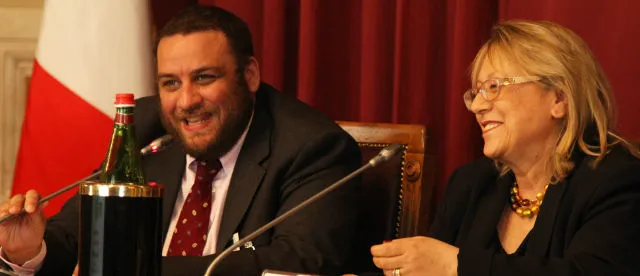
Prof. Palmieri, founder of Family Pedagogy and president of I.N.Pe.F., made a significant comment: “When we listen to children and families, we often find the answers we were looking for and the solutions to follow within their own words. What matters today is that the minor is safe and, along with her, her family. But the scope of the ruling goes far beyond the story that gave rise to it, because it becomes the hope of salvation for thousands of other children and families in Italy and around the world. Because if it represents a legal precedent in our country, in the rest of the world it translates into a model. It is our task to spread its contents and enormous scope. In fact, just as it has exploded local practices, effectively dismantling what we have not coincidentally named the ‘Piedmont System’, it can open a breach in all the other systems that replicate the mechanism of a chain that only yesterday seemed impossible to break. This ruling, which affirms the need to refrain from any violence, use of force, or coercion in removing minors, will save thousands of children. It is our task to spread the word as far and wide as possible.”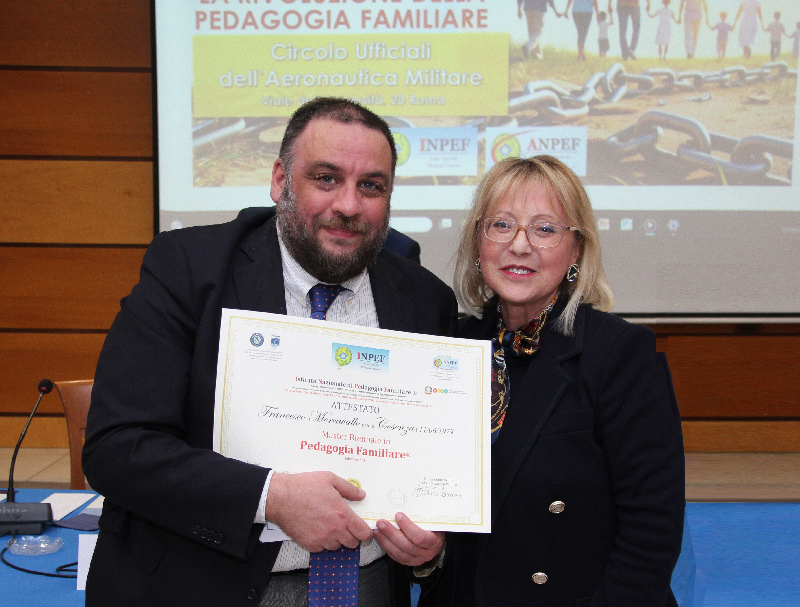
Lawyer Francesco Morcavallo, who is defending the girl’s mother in the juvenile court case, takes a similar stance: “The regression of some courts with respect to principles well applied by the Court of Appeal of Turin is no longer tolerable: it is essential to listen to the minor concerned, whose opinions must be given due consideration and preferred to any mandatory solution; projects tailored to the needs of the family and the consent of its members must prevail over the prospect of interventions imposed by the administration and the judge; the coercive removal of a minor who expressly refuses to leave the family cannot be legitimately ordered and, if ordered, cannot be implemented, since the intervention of the police cannot be translated, according to the general directives of our constitutional system and according to the dictates of the European Court of Human Rights as interpreted by the Supreme Court, into the use of violence against minors and, in general, against family members. The central role played by the principles of family pedagogy in the legal system is becoming increasingly clear: the enhancement and protection of personal and family resources; the protection of freedom and informed consent with regard to welfare proposals; constant orientation towards the national and international system of fundamental human rights.”
We share this important result because it is the same one that can help thousands of children at risk of being forcibly removed.
Social News (Cronaca Sociale) Editorial Team